
Table of Contents
ToggleINTRODUCTION
Personal branding has entered in a new phase where AI is changing how people grow their presence online. Earlier, everything depended on manual posting, personal networking, and guesswork, but by 2026, strong personal brands are built using systems, not effort alone. AI does not remove individuality, it helps amplify it at scale for people who use it the right way.
From my experience, creators and professionals who use AI to plan content, stay consistent, and understand audience behavior grow much faster than those relying only on manual effort. This article explains how personal branding with AI works in 2026, what techniques actually matter, and how to build a future-proof identity while staying aligned with Google and AdSense guidelines.
Understanding Personal Branding in the AI Era:
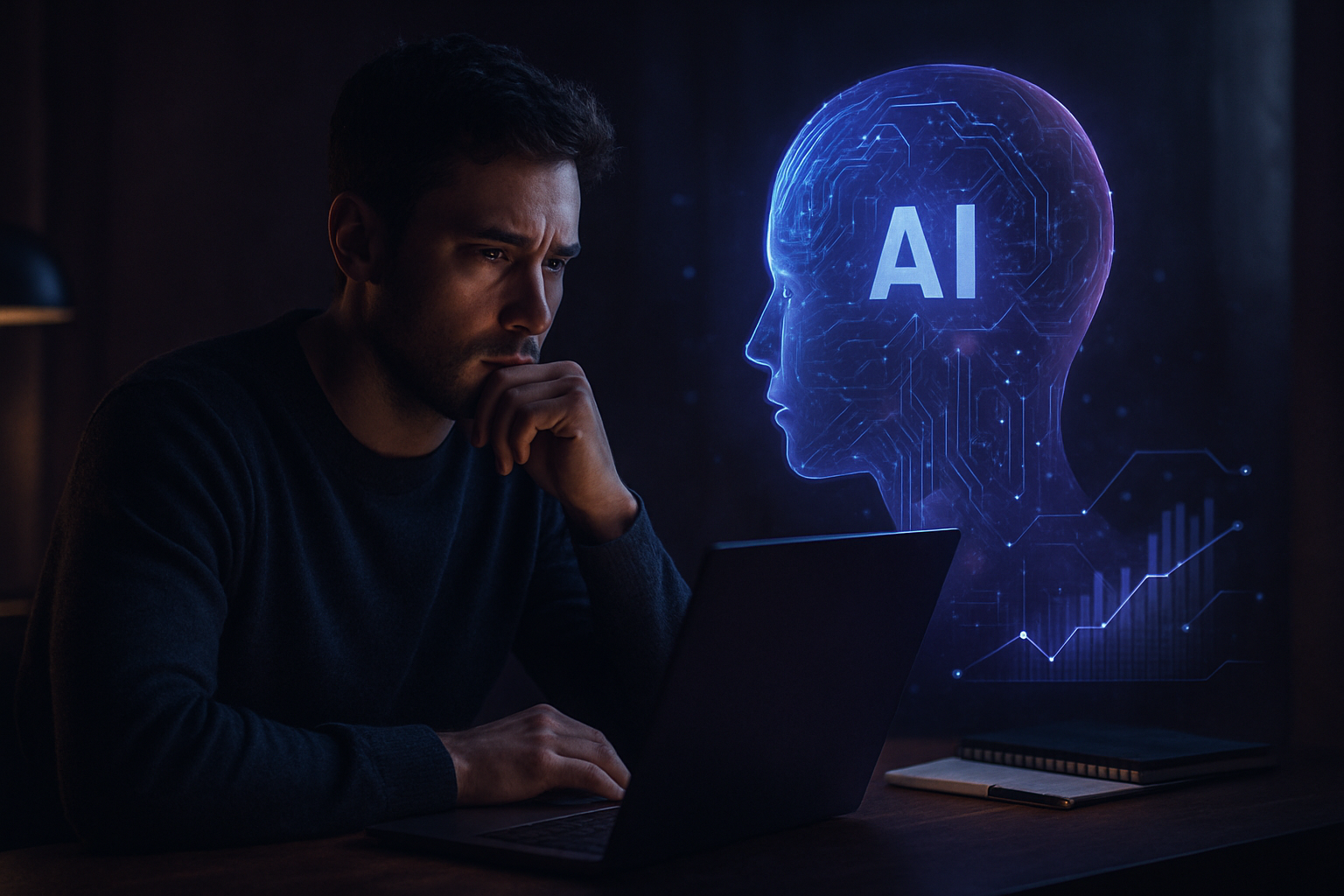
Personal branding means showing your expertise, values, and credibility clearly across digital platforms. In 2026, it is no longer a static process, it has become more dynamic and data-driven. With the help of AI, creators can understand audience behavior, improve their messaging, and distribute content more smartly, while the human side still handles originality, ethics, and emotional connection.
One of the biggest mistakes people make is letting AI completely define their voice. Successful personal brands use AI as a support system, not as a replacement for creativity. Authenticity still remains the most important factor for building trust, engagement, and long-term authority.
Forbes –
Why 2026 Is a Turning Point for Personal Brands :

In 2026, three major changes are happening at the same time. First, AI-based content creation has become very common, which is filling the internet with a lot of average-quality content. Second, platforms are now giving more importance to depth, real expertise, and user experience instead of just content volume. Third, audiences are becoming more selective and prefer creators who offer clear and genuine insights.
Because of this, personal brands that combine human expertise with smart automation perform much better. AI helps remove inefficiencies, while human judgment separates high-quality content from noise. Those who fail to adapt to this shift risk losing visibility altogether.
Building a Strong Brand Foundation Before Using AI :
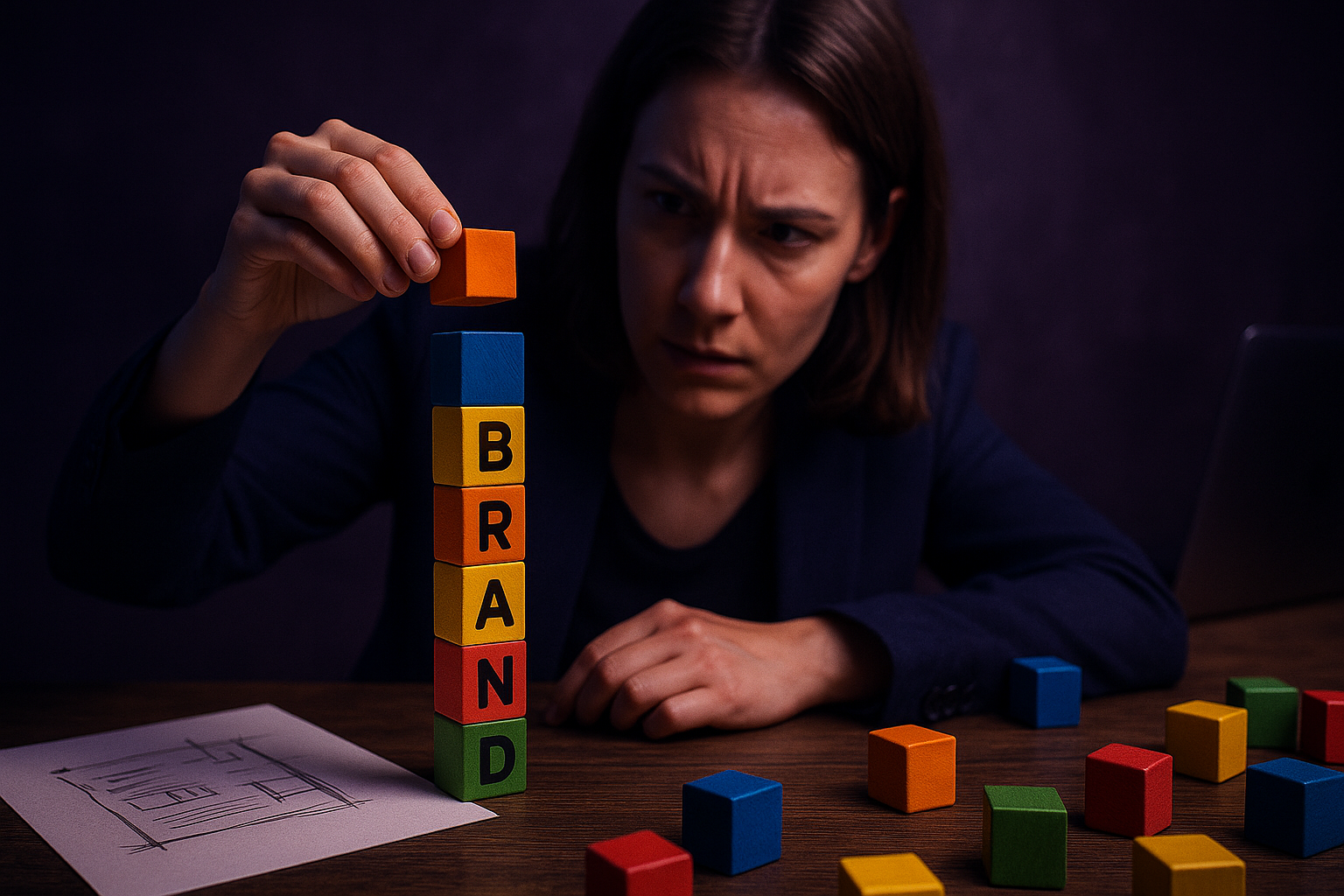
Before using AI tools, every personal brand needs a strong and clear foundation. This means defining a clear niche, core message, audience problem, and long-term positioning. AI works best when there is clarity, because without it, the output becomes generic and unfocused.
Creating a personal brand document helps a lot in this process. It should clearly mention your expertise, tone, boundaries, and the purpose of your content. This keeps your messaging consistent across platforms and avoids random or low-quality output. A strong foundation also plays an important role in meeting Google’s experience, expertise, authoritativeness, and trustworthiness standards.
AI-Driven Content Creation Without Losing Authenticity :

AI can generate outlines, drafts, summaries, and different versions much faster than any human. But originality still depends on human input. The most effective approach is hybrid creation, where AI helps with structure and speed, while humans add meaning and direction.
In 2026, platforms and search engines are getting better at detecting pattern-based content. That is why adding real insight, practical examples, and original thinking becomes very important. AI can speed up content creation, but humans are still responsible for shaping ideas, context, and value.
Personalization at Scale Using Ethical AI :
One of the strongest advantages of AI is personalization. In 2026, personal brands will be able to deliver more relevant content based on user intent, behavior, and interests. This includes things like personalized newsletters, segmented landing pages, and content recommendations that adjust based on how users interact.
At the same time, ethical use of AI is very important. Personal brands should rely on first-party data such as email interactions, website behavior, and voluntary feedback. Intrusive tracking or misleading personalization should be avoided. Being transparent builds trust, and trust directly affects conversions and long-term brand growth.
SEO Optimization Through AI Intelligence :
Search engine optimization in 2026 is no longer just about using the right keywords. AI now helps in understanding search intent, semantic relevance, and content gaps more accurately. Personal brands that use AI to align their content with real user problems gain a strong competitive advantage.
AI can be used to improve content structure, internal linking, metadata, and overall readability. But it should always be combined with human review to make sure the content stays clear, useful, and meaningful. When content is intent-driven and high quality, it naturally improves dwell time, reduces bounce rate, and increases monetization potential.
AI-Powered Visual and Video Branding :
Visual consistency plays a big role in building recognition for a personal brand. AI tools can now help create thumbnails, brand visuals, and even video scripts based on audience preferences. In 2026, short-form video continues to be one of the highest-engagement formats for personal brands.
AI can also be used to repurpose long-form content into short videos, summaries, and visuals while keeping the same brand style. However, human presence still matters the most. A real voice, real expressions, and a consistent tone build more trust compared to fully automated content.
Automating Distribution and Scheduling :
Consistency is one of the biggest challenges in personal branding. AI helps solve this by enabling smart scheduling, cross-platform content repurposing, and performance tracking. With automated workflows, content can reach the right audience at the right time without constant manual effort.
At the same time, automation should never replace human interaction. Responding to comments, messages, and engaging with the community must stay human-led. AI can handle the logistics, but real relationships are built by people.
Building Authority Through Data and Insight :

In 2026, authority is not built by sharing information alone, but by how well it is explained and interpreted. AI can collect data and summarize it quickly, but real insight still comes from humans. Personal brands that break down trends, simplify complex topics, and give clear, actionable guidance stand out more.
Sharing original analysis, predictions, and personal frameworks helps position a brand as a thought leader. AI can speed up research, but authority is built through perspective, clarity, and how well ideas are communicated.
Monetization and AdSense-Friendly Growth :
Personal branding with AI opens the door to multiple revenue streams such as ads, affiliate marketing, consulting, digital products, and subscriptions. For AdSense, the focus remains on original content, a strong user experience, and consistent publishing over time.
It is important to avoid thin pages, duplicate content, and misleading claims. AI can be used to improve website layout, navigation, and loading speed, which improves overall user experience. Monetization works best when real value is provided first and promotion comes naturally after.
Reputation Management in an AI World :
AI also helps in monitoring brand mentions, audience sentiment, and possible reputation risks. In 2026, misinformation spreads very fast, so being proactive makes a big difference. With proper monitoring, brands can respond quickly and correct issues before they grow.
AI can be used to track mentions and send alerts, but responses should always be handled manually. This helps maintain the right tone and credibility. Protecting reputation in this way strengthens long-term brand value and trust.
Future Trends Shaping Personal Branding Beyond 2026 :
Looking ahead, personal brands will start operating more like micro media companies. AI agents will handle analytics, personalization, and optimization, while humans focus on creativity, decision-making, and leadership.
At the same time, voice search, conversational content, and AI-driven discovery will continue to grow. Personal brands that adapt early to these changes will benefit from long-term visibility, trust, and consistent growth.
FAQs:
1. How does AI help in personal branding in 2026?
AI helps personal brands by analyzing audience behavior, improving content structure, maintaining consistency, and optimizing distribution across platforms. It reduces manual work while allowing creators to focus more on creativity and strategy.
2. Can AI replace human creativity in personal branding?
No, AI cannot replace human creativity. AI works best as a support tool that helps with speed, data, and optimization, while humans provide originality, emotional connection, and personal perspective.
3. Is using AI for personal branding safe for Google and AdSense?
Yes, using AI is safe as long as the content is original, valuable, and written for users. Google and AdSense focus on quality, user experience, and authenticity, not on whether AI tools were used.
4. What are the biggest mistakes people make when using AI for personal branding?
The biggest mistake is letting AI fully control the voice and message. This leads to generic content. Successful personal brands use AI for assistance, but keep human judgment, tone, and ideas in control.
5. How can personal brands monetize using AI in 2026?
Personal brands can monetize through ads, affiliate marketing, consulting, digital products, and subscriptions. AI helps by improving content quality, consistency, and audience targeting, which increases trust and conversion potential.
Final Thoughts :
Personal branding with AI in 2026 is not about shortcuts, it is about leverage. AI helps remove friction from the process, but meaning and value still come from humans. The strongest personal brands are the ones that use AI strategically while staying focused on authenticity, ethics, and real value creation.
From what I have learned through experience, AI works best when there is a clear foundation and purpose behind the brand. When AI is used intelligently to support content, consistency, and user experience, it becomes much easier to build something scalable and monetizable. This approach helps create a future-ready personal brand that can survive algorithm changes and market shifts without losing trust.